
What Should You Look for in Wood Vinyl Flooring?
- branddonlim
- Feb 16
- 5 min read
Choosing new flooring for your home is an exciting decision. The right floor can completely change the look and feel of a space. Wood vinyl flooring has become a popular choice for many homeowners because it combines the natural beauty of wood with the strength and easy care of vinyl. It looks warm and stylish, yet it handles daily life with ease.
Before making a final decision, it is important to understand what really matters in wood vinyl flooring. Design is important, but quality, durability, and performance matter just as much. This guide will help you understand the key features to check so you can choose flooring that looks beautiful and lasts for years.
Understand the Wear Layer

The wear layer is the top protective surface of a vinyl plank that keeps it safe from scratches, stains, and dents. A thicker wear layer lasts longer, especially in busy areas like hallways and living rooms. For homes with kids or pets, choosing a wear layer between 12 and 20 mil adds extra protection. Bedrooms or low-traffic rooms can do well with a thinner layer. A strong wear layer helps the floor stay looking new for many years.
Check the Overall Thickness
The total thickness of wood vinyl flooring affects comfort and strength. Thicker planks feel more solid underfoot and reduce noise when walking. They also help cover minor imperfections on the subfloor. Most quality vinyl planks range from 4mm to 8mm thick. Thicker flooring often provides better stability and a more premium feel. It can also improve sound insulation, which is helpful in apartments or multi-level homes.
Look at the Waterproof and Water Resistance Features
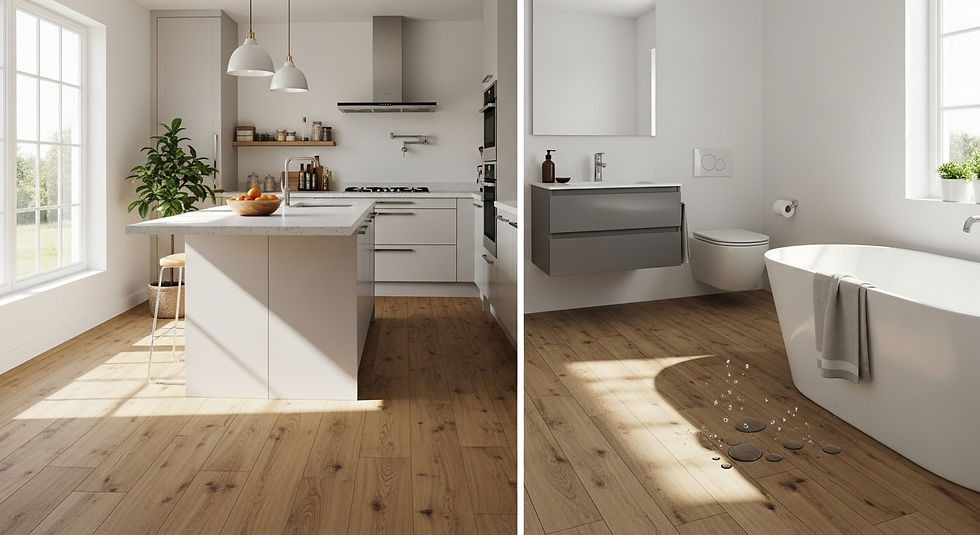
Many homeowners choose wood vinyl flooring because of its water resistance. Some products are fully waterproof, which makes them ideal for kitchens, bathrooms, and laundry rooms. Waterproof flooring protects against spills, moisture, and humidity. This feature helps prevent swelling, warping, or damage over time. For homes in humid climates, moisture resistance becomes even more important.
Checking the product specifications for waterproof technology can help ensure long-term performance.
Examine the Core Material
Wood vinyl flooring often comes with different core types. The most common are SPC and WPC cores.SPC stands for Stone Plastic Composite. It offers strong durability and resistance to dents. It works well in high-traffic areas and commercial spaces.
WPC stands for Wood Plastic Composite. It provides a softer feel underfoot and better sound absorption. Many homeowners prefer WPC for bedrooms and living rooms because of its comfort. Understanding the core structure helps in selecting flooring that matches your lifestyle and needs.
Focus on Design and Realistic Texture
One reason people love wood vinyl flooring is its natural wood look. High-quality planks feature realistic wood grain patterns, embossed textures, and detailed finishes. Look for flooring with varied plank patterns and authentic textures. This creates a more natural hardwood appearance. Matte finishes often look more realistic than glossy surfaces.
Colour also plays an important role. Light oak tones brighten small spaces, while darker walnut shades create a rich and elegant feel. Neutral colours blend easily with different interior styles.
Consider Installation Type
The installation method affects both cost and convenience. Wood vinyl flooring is available in several installation styles.
Click-lock flooring is very popular. The planks snap together and float over the subfloor. This method is quick and simple.
Glue-down vinyl flooring offers strong stability and works well in large areas.
Peel-and-stick vinyl provides a budget-friendly solution for small rooms.
Choosing the right installation system depends on your space and comfort level with installation work.
Check Underlayment Options
Some vinyl planks come with attached underlayment. This layer adds cushioning and reduces noise. It also improves walking comfort. The attached underlayment can save time during installation. It also adds extra insulation. For upper-floor rooms or apartments, sound reduction becomes especially helpful.
Review Scratch and Dent Resistance

Daily life brings movement, furniture, and heavy foot traffic. Scratch resistance helps protect the surface from marks caused by pets, chairs, and shoes. Look for flooring labelled as scratch-resistant or dent-resistant. A strong protective coating helps maintain a smooth surface. Homes with active families benefit from durable flooring that handles everyday wear without visible damage.
Pay Attention to Warranty
Warranty gives insight into product quality. A longer residential warranty often reflects better manufacturing standards. Many trusted brands offer warranties ranging from 10 years to lifetime coverage. Reading warranty details helps understand what is covered, such as wear, staining, or structural damage.
A strong warranty provides peace of mind and long-term value.
Think About Maintenance and Cleaning

One of the biggest advantages of wood vinyl flooring is easy maintenance. It does not require polishing or special treatments. Regular sweeping and light mopping keep the surface clean. Mild cleaning solutions designed for vinyl flooring work best.
Low-maintenance flooring saves time and effort, which is perfect for busy households.
Compare Price and Value
Price always plays a role in flooring decisions. Wood vinyl flooring comes in a wide range of prices depending on quality and features. Higher-priced options often include thicker wear layers, stronger cores, and better designs. Budget options may work for temporary spaces or rental properties.
Look for Safety Features
Slip resistance is an important factor, especially in homes with children or elderly family members. Textured finishes improve grip and reduce the chance of slipping. Many vinyl floors are also resistant to stains and bacteria, which supports a healthier indoor environment.
Conclusion
Wood vinyl flooring offers the beauty of hardwood with the durability of modern materials. Choosing the right product requires attention to more than just colour and style. Wear layer thickness, waterproof features, core material, installation method, and warranty all play important roles. Careful comparison of these factors leads to a flooring choice that suits your lifestyle and budget. For homeowners looking for vinyl flooring in Singapore, selecting the right type ensures your floors stay attractive, strong, and easy to maintain for many years.
FAQs
1. How thick should wood vinyl flooring be?
Most quality options range from 4mm to 8mm thick. Thicker planks provide better durability and comfort.
2. Is wood vinyl flooring good for kitchens?
Yes, many types offer waterproof protection, making them suitable for kitchens and moisture-prone areas.
3. Does wood vinyl flooring look like real wood?
High-quality vinyl planks feature realistic wood grain textures and natural colour variations that closely resemble hardwood.
4. How long does wood vinyl flooring last?
With proper care and a strong wear layer, it can last 10 to 20 years or more, depending on usage.
5. Is wood vinyl flooring easy to maintain?
Yes, it requires simple sweeping and light mopping. No polishing or waxing is needed.
Comments